
How to Establish Paternity in Florida
When a child is born to unmarried parents in Florida, the law does not automatically recognize the biological father as the child’s legal father. Establishing paternity is the legal step that closes that gap, and the method you choose has real consequences for child support, custody and time-sharing, inheritance, and the father’s right to a relationship with the child. There are four ways to establish paternity in Florida, and which one fits depends on what you actually need the legal recognition to do.
This guide walks through each method, explains the practical differences between them, and flags two specific issues that catch many parents by surprise: the 60-day window on voluntary acknowledgment, and the difference between administrative paternity through the Department of Revenue and a court-ordered paternity action.
Contact Us
"*" indicates required fields
What Domestic Violence Means Under Florida Law
Without legal paternity, a biological father has no automatic rights or responsibilities under Florida law, even if everyone involved knows who the father is. That means no right to seek custody, no right to time-sharing, and no obligation to pay child support that can be enforced through the court. The child, in turn, may have no claim to financial support from the father, no access to the father’s medical history, no inheritance rights through the paternal line, and no eligibility for Social Security or veterans’ benefits that flow through a legal parent.
Establishing paternity creates the legal relationship that triggers all of those rights and obligations. For unmarried fathers in particular, paternity is the gateway to everything that comes next, including any meaningful court-ordered parenting time.

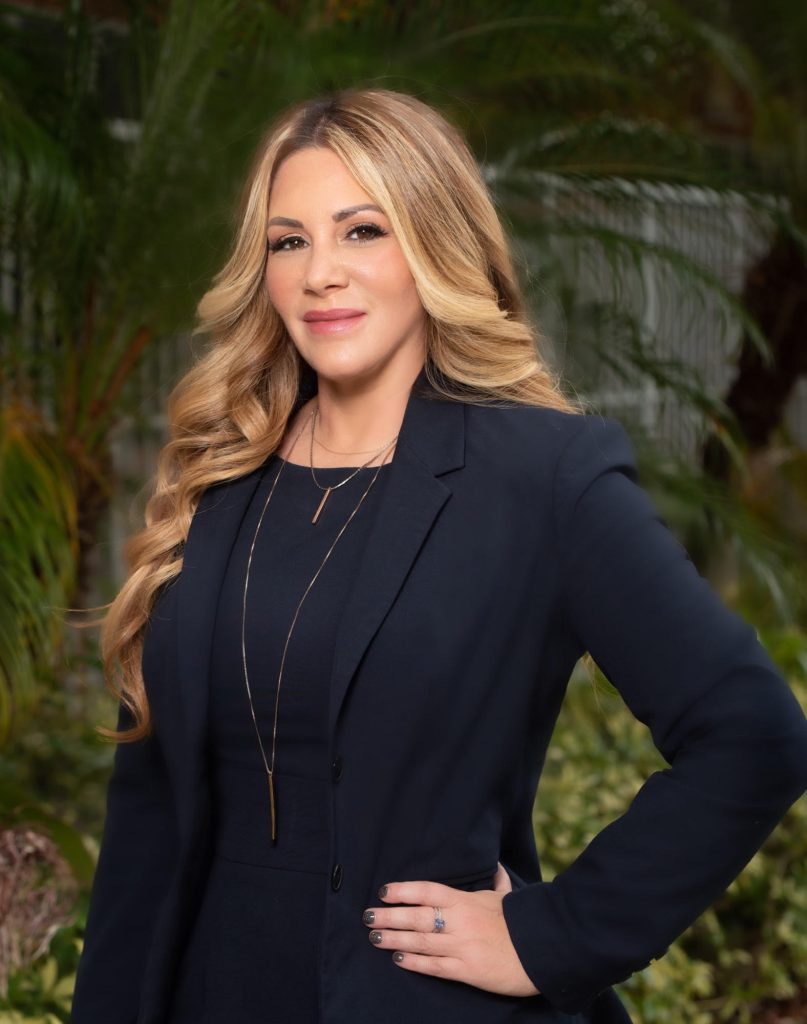
Tina Lewert
Contact Info:
- 301 Yamato Rd #4110, Boca Raton, FL 33431, United States
- 561-544-6861
- tina.lewert@lewertlaw.com
The Four Ways to Establish Paternity in Florida
Florida law recognizes four methods of establishing paternity. They differ in cost, speed, and what they actually accomplish.
1. Marriage at the Time of Birth
If the mother is married when the child is born, Florida law presumes her husband is the legal father. This presumption applies automatically. No form, no DNA test, no court order. The husband’s name is placed on the birth certificate as the legal father, and he has all the legal rights and responsibilities that come with that status.
This presumption can be rebutted in narrow circumstances, but the legal process for disestablishing paternity is separate, fact-intensive, and time-sensitive. It is not a default option. When the mother was married at the time of birth and the biological father is someone other than her husband, anyone wanting to change that legal status should speak with a family law attorney before doing anything else.
2. Voluntary Acknowledgment of Paternity (Unmarried Parents)
If the parents are unmarried when the child is born, the most direct path is to sign a Voluntary Acknowledgment of Paternity. The form can be signed at the hospital at the time of birth, in which case the father’s name is placed on the birth certificate. It can also be signed later by completing theAcknowledgment of Paternity form (DH-432) in the presence of a notary public or two witnesses, then filing it with the Florida Bureau of Vital Statistics.
A voluntary acknowledgment is legally binding once signed, and it has the same effect as a court order of paternity. It establishes the man as the child’s legal father for all purposes under Florida law.
The 60-day rule. This is the part most parents do not realize until it matters. Either party can rescind a voluntary acknowledgment within 60 days of signing, by filing a written request to rescind. After 60 days, the acknowledgment becomes final and binding. It can only be challenged after that window on the grounds of fraud, duress, or material mistake of fact, and the burden of proof is significant. If you sign an acknowledgment of paternity and have any doubt about the biological parentage, get DNA testing done before the 60-day window closes.
This method cannot be used if the mother was married at the time of the child’s birth. In that situation, the marital presumption controls, and a different legal process is required.
3. Administrative Order of Paternity Through the Department of Revenue
The Florida Department of Revenue Child Support Program can establish paternity administratively, without going to court, when there is a child support case open. The Department arranges genetic testing for the mother, the alleged father, and the child. If the test confirms the biological relationship, the Department issues an Administrative Order of Paternity and notifies the Florida Bureau of Vital Statistics to add the father’s name to the birth certificate.
There are real advantages to this method. There is no court appearance required. The genetic testing is free. The administrative order has the same legal effect as a paternity judgment from a judge, including for child support purposes.
The catch. An Administrative Order of Paternity through the Department of Revenue can establish a child support obligation, but it cannot grant a father parenting time, time-sharing, or any other custodial rights. The Department’s purpose is child support, not family law adjudication. A father who wants parenting time or any other parental rights has to file a paternity action in court. This is the single most common confusion in Florida paternity cases. Fathers sometimes think establishing paternity through the DOR will automatically give them a relationship with the child. It does not.
4. Court Order Through a Paternity Action
The fourth method is filing a paternity action in circuit court. This is the right method when (a) the voluntary acknowledgment is not available or not appropriate, (b) the parties do not agree, (c) a father wants parenting time or any other parental right beyond paying child support, or (d) any other custody, time-sharing, or parental responsibility issue needs to be decided alongside paternity.
A paternity action can be filed by the mother, the alleged father, the child (typically through a guardian), or the Department of Revenue on behalf of the state. The petition is filed under Florida Statutes Chapter 742, which governs paternity in Florida. The respondent is served and has 20 days to file an answer. If paternity is contested, the court will typically order scientific paternity testing, which is the legal term for court-ordered DNA testing.
Once paternity is established by court order, the same case can address parental responsibility, a parenting plan, time-sharing, and child support, all in one proceeding. This is why a paternity action is the right path for any case that involves more than just child support, and why it is generally the right path when a father is seeking a relationship with the child.
Choosing the Right Method
For most parents, the choice comes down to two practical questions.
Are the parents in agreement, and is the issue only about establishing the legal parent-child relationship? If yes, and the mother was not married at the time of birth, the voluntary acknowledgment is the simplest, fastest, and cheapest path. Sign the form before leaving the hospital if possible, or complete the DH-432 form afterward. Just be aware of the 60-day rescission window if there is any doubt about paternity.
Does the father want parenting time, time-sharing, or any other parental right beyond child support? If yes, the only path that gives him those rights is a paternity action in court. An administrative order through the Department of Revenue will establish child support but will not give him any custodial rights.
If you are the mother and only need child support enforced, the Department of Revenue can handle the case at no cost to you. If you need more than child support, or you are the father and want a relationship with the child, you need a paternity action, and it is worth talking to a child support lawyer or family law attorney before you file.
Common Complications
A few situations come up often enough that they deserve specific mention.
The mother was married to another man at the time of birth. The marital presumption controls, and the biological father has no automatic rights. Establishing paternity in this situation requires either the husband’s cooperation in disestablishment proceedings or a contested action that can be legally complex. This is the most common situation where parents try to handle the paperwork themselves and find themselves stuck.
The father is on the birth certificate but the mother now disputes paternity. Being on the birth certificate is not the same as having legal paternity established in every case, particularly if the parents were unmarried and no voluntary acknowledgment was signed or if the acknowledgment is still within the 60-day rescission window. The legal status needs to be sorted out before any custody or support dispute can move forward.
Paternity is being raised long after the child is born. Florida allows paternity to be established at any time before the child reaches age 18. Older children, however, often have an established parent-child relationship with someone else, and the court will weigh the child’s best interests heavily in deciding how to handle the case.
The alleged father refuses to participate in genetic testing. A court can order genetic testing as part of a paternity action. Refusing to comply with a court-ordered DNA test has consequences, including the court being able to draw an adverse inference from the refusal.
Frequently Asked Questions
What is the difference between a biological father and a legal father?
A biological father is the man whose DNA matches the child's. A legal father is the man Florida law recognizes as the child's father for purposes of child support, custody, inheritance, and other rights and responsibilities. They are often the same person, but not always. A biological father has no automatic rights until paternity is legally established, and a man can be a legal father (through marriage presumption, for example) even if he is not the biological father.
Can paternity be established before the child is born?
Yes, in a limited way. An alleged father can file a claim of paternity with the Florida Putative Father Registry before the child's birth, to preserve certain rights related to adoption proceedings. Full paternity, however, cannot be established until after the child is born.
How long does a paternity action take in Florida?
It depends on whether paternity is contested and how busy the local court is. An uncontested paternity case where both parties agree and DNA testing confirms the biological relationship can move relatively quickly. A contested case, especially one that involves parenting time, time-sharing, or child support issues alongside paternity, can take several months or longer.
Does establishing paternity automatically give the father custody?
No. Establishing paternity creates the legal parent-child relationship, which is the prerequisite for the father to seek custody and time-sharing. It does not, by itself, grant any specific custody or time-sharing arrangement. Those are decided separately, either as part of the paternity action or in a later proceeding, based on the child's best interests under Florida Statute 61.13.
Can I challenge a paternity determination after it has been established?
Sometimes, but the standards are strict. A voluntary acknowledgment can be rescinded within 60 days of signing. After 60 days, it can be challenged only on grounds of fraud, duress, or material mistake of fact. A court-ordered paternity determination can be challenged through a separate legal process for disestablishment of paternity, which requires specific evidence including DNA test results showing the man is not the biological father, and the court weighs additional factors such as how long the man has acted as the child's father and the child's emotional well-being.
When to Talk to a Paternity Lawyer in Florida
Most voluntary acknowledgments are straightforward enough that parents handle them on their own, particularly at the hospital. The situations that genuinely benefit from a family law attorney are the ones where paternity is contested, the mother was married to another man at the time of birth, a father is seeking parenting time or time-sharing rather than just establishing the legal relationship, child custody disputes are on the table alongside the paternity question, or where the 60-day window on a voluntary acknowledgment is closing and one party has new doubts.
At Lewert Law, we handle paternity cases regularly, including the contested cases where the right legal path is not obvious. Tina L. Lewert, a board certified family law attorney in Boca Raton, is Board Certified in Marital and Family Law by The Florida Bar, and the firm handles paternity, child custody and time-sharing, child support, and related family law matters throughout South Florida.
If you have questions about a paternity issue, the confidential consultation is the right place to start. Contact Lewert Law, LLC at (561) 544-6861 or reach out through our contact page.